Peptide payment processors compared
By Peptide-Pay Team · Published 10 november 2026 · Last reviewed
Disclosure: this comparison is published by Peptide-Pay, one of the options compared. Third-party rows are based on each provider’s own published policy, linked below the table.
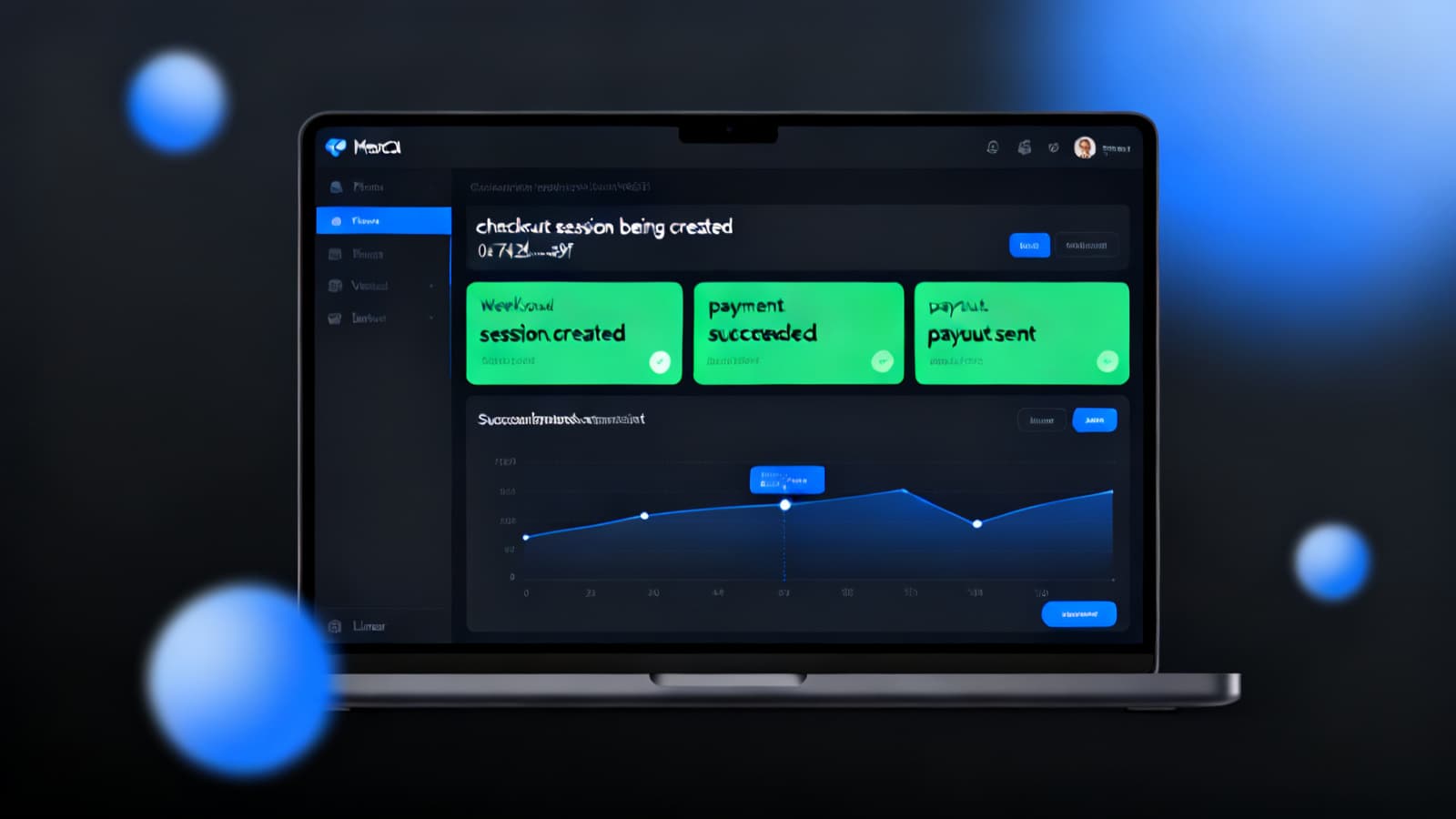
A peptide store has five realistic ways to take payments: a mainstream processor (Stripe, PayPal, Shopify Payments), a high-risk merchant account, a crypto-only gateway, bank transfer, or a card-to-crypto on-ramp gateway such as Peptide-Pay. They differ on four things a peptide merchant actually feels: whether the vertical is allowed, what you must provide to get approved, how long funds take to reach you, and who can freeze them. This page compares the five options on those criteria, using each provider's own published policy where one exists.
Which criteria matter when choosing a peptide payment processor?
Peptide merchants should compare payment processors on six criteria, in this order:
- Vertical policy. Does the provider's written policy allow research peptides, or does it prohibit or restrict the category?
- Approval requirements. Registered company, business bank account, processing history, personal guarantee.
- Customer payment methods. Card, Apple Pay, Google Pay, bank transfer, crypto. A crypto-only checkout loses buyers who do not hold crypto.
- Total fee. Percentage per transaction plus monthly, setup and chargeback fees.
- Custody and reserve. Who holds the money between the sale and your payout, and whether a rolling reserve is withheld.
- Time to go live. Same day, or weeks of underwriting.
How do the five options compare?
| Option | Peptides allowed? | What approval needs | Customer pays with | Who holds the funds | Go-live |
|---|---|---|---|---|---|
| Stripe | Prohibits mislabeled research chemicals and unsafe or misleading supplements; restricts pharmaceuticals | Company or sole-trader details, bank account | Card, Apple Pay, Google Pay | Stripe, then bank payout | Minutes, until review |
| Shopify Payments | Terms define prohibited and restricted businesses (law + card-network rules) | Shopify store + business and bank details | Card, Shop Pay, Apple Pay | Shopify, then bank payout | Minutes, until review |
| High-risk merchant account | Often yes, case by case | Company documents, bank statements, often processing history and a reserve | Card (sometimes ACH / eCheck) | Acquiring bank, reserve possible | Usually weeks of underwriting |
| Crypto-only gateway (NOWPayments, BTCPay Server) | Generally yes | Account or self-hosted server | Crypto only | Gateway or your own wallet | Same day |
| Peptide-Pay (card-to-crypto on-ramp) | Yes, built for peptides and other high-risk verticals | Email, password, an EVM wallet address | Card, Apple Pay, Google Pay, Klarna, iDEAL, Interac, UPI, crypto (by country) | Your own wallet (non-custodial) | Same day |
Sources: Stripe prohibited and restricted businesses, Shopify Payments terms (US), NOWPayments, BTCPay Server, and the Peptide-Pay fee page and API docs.
Can you use Stripe for a peptide store?
Stripe is a risky choice for a peptide store. Stripe's restricted businesses list prohibits mislabeled research chemicals and pseudo-pharmaceuticals or supplements that are unsafe or make misleading health claims, and it restricts prescription products, pharmaceuticals and online pharmacies to pre-approved merchants. A peptide store that Stripe classifies in one of those categories can be closed after onboarding, and the balance held until the review ends. The practical consequence: plan a processor that accepts the category in writing before you depend on Stripe. Our Stripe alternative guide covers the code migration.
Does Shopify Payments accept peptides?
Shopify Payments applies its own list of prohibited and restricted businesses, which can come from the law, card-network rules, Shopify or its banking partners. Peptide stores on Shopify therefore often need a third-party payment method. The options that remain are in Shopify Payments and peptides.
When is a high-risk merchant account the right choice?
A high-risk merchant account is the right choice for an established, incorporated peptide business with processing history that wants card settlement in dollars or euros to a bank account. The trade-off is underwriting: company documents, bank statements, frequently a rolling reserve, and a review that usually takes weeks. The full comparison is in Peptide merchant account vs on-ramp gateway.
Why not accept crypto only?
A crypto-only gateway such as NOWPayments or a self-hosted BTCPay Server accepts any vertical and is cheap per transaction, but only buyers who already hold crypto can pay. Most peptide buyers pay by card or Apple Pay, so a crypto-only checkout leaves those buyers without a way to pay. Peptide-Pay keeps direct crypto as one option and adds card payments through on-ramps.
How does Peptide-Pay process a card payment?
Peptide-Pay is a non-custodial payment API for peptide and other high-risk stores. The customer pays on a hosted checkout with a card, Apple Pay or Google Pay; a licensed crypto on-ramp (Topper, Banxa, Transak or Crypto.com Pay, depending on the country) charges the card and delivers the purchased stablecoin on-chain directly to the merchant's own EVM wallet, on Ethereum or Polygon. Peptide-Pay never holds the funds, so it cannot freeze them.
What does Peptide-Pay cost?
- 3% per successful transaction by default (2% Peptide-Pay + 1% protocol fee).
- $0 monthly fee, $0 setup fee, 0% rolling reserve.
- On card payments the on-ramp charges its own fee on top. With the 4.5% average used on the fee page, a $100.00 card sale leaves $92.50 in your wallet; a $100.00 direct crypto payment leaves $97.00.
How and when is the merchant paid?
The merchant is paid on-chain, to a wallet it controls, as soon as the on-ramp delivers the purchase: usually USDC, on some rails ETH, PYUSD or POL. There is no T+2 bank payout and no payout schedule to wait for. Converting to dollars or euros is done on any exchange that supports the network the funds arrived on.
What are Peptide-Pay's limits?
- Payouts arrive in crypto (mostly USDC), not as a bank transfer: you need a self-custodial EVM wallet and an exchange to cash out.
- The customer completes the payment on the on-ramp's page, which can ask for identity checks above its own thresholds.
- Available on-ramps vary by country and by US state; the checkout shows only the rails that work for the buyer's location.
- Peptide-Pay is a software layer, not a bank: it does not issue a merchant account or a card acquiring contract.
Developer questions, straight answers.
What payment processor can a peptide store use?
Does Stripe allow peptides?
How much does Peptide-Pay cost?
Do I need a company to use Peptide-Pay?
How does the merchant receive the money?
Is a crypto-only gateway enough for a peptide store?
Related guides

Peptide Merchant Account: Requirements, Costs and the On-Ramp Alternative
Company documents, bank statements, reserve, weeks of underwriting: what high-risk providers ask for, and when an on-ramp gateway fits better.

Shopify Payments and Peptides: What Happens and Which Payment Method to Use
Your Shopify store keeps running when Shopify Payments stops it: the payment options that remain, and how PeptidePay takes cards on your own site.

Stripe-Alternatief voor Peptides & Nutra: 2026 Migratiegids
Stripe wijst peptides automatisch af — zeker solo devs zonder LLC. De migratie voor 2026: 3% flat, Stripe-compatible SDK, same-day go-live.
Ready to integrate PeptidePay?
Paste your EVM wallet (Ethereum or Polygon), drop in the SDK, done. No LLC required, no rolling reserve, same-day go-live, 3% flat.