Peptide merchant account: what it requires, and the alternative
By Peptide-Pay Team · Published 10 november 2026 · Last reviewed

A peptide merchant account is a card-acquiring contract between a peptide business and a bank, usually arranged by a high-risk payment provider, that lets the business accept Visa and Mastercard and receive payouts to its bank account. It is not the only way to accept cards: a card-to-crypto gateway such as Peptide-Pay lets a store take card and Apple Pay payments without a merchant account of its own. This guide explains what a merchant account requires, what it costs, and when each route fits.
What is a peptide merchant account?
A peptide merchant account is a merchant account opened in a high-risk category. The acquiring bank underwrites the business, assigns a merchant category code, and settles card sales to the merchant's bank account after a delay. Because research peptides sit close to pharmaceuticals in card-network rules, mainstream processors such as Stripe restrict or prohibit parts of the category (see Stripe's restricted businesses list), so peptide sellers turn to high-risk providers instead.
What do you need to open a peptide merchant account?
High-risk providers typically ask a peptide business for:
- A registered company and its formation documents.
- A business bank account and recent bank statements.
- Processing history (previous card statements), when the business already sells.
- A website that meets card-network rules: terms, refund policy, contact details, product descriptions without medical claims.
- Often a personal guarantee and a rolling reserve, a share of each sale held back for several months to cover chargebacks.
Underwriting usually takes weeks, and approval is not guaranteed. The exact list, fees and reserve vary by provider and bank; ask each provider for its written terms before you sign.
How does a merchant account compare with an on-ramp gateway?
| Criterion | High-risk merchant account | Peptide-Pay |
|---|---|---|
| Contract | Acquiring contract with a bank, through a provider | Software account; the on-ramp charges the card |
| What you provide | Company documents, bank statements, often history and a guarantee | Email, password, an EVM wallet address |
| Time to accept the first payment | Usually weeks of underwriting | Same day |
| Fee | Set by the provider (percentage + per-transaction and monthly fees are common) | 3% per successful transaction by default, $0 monthly, $0 setup |
| Rolling reserve | Common in high-risk categories | None |
| Where the money goes | Your bank account, after the settlement delay | Your own wallet, on-chain (Ethereum or Polygon, usually USDC) |
| Who can hold the funds | The acquiring bank and the provider | Nobody but you: Peptide-Pay is non-custodial |
| Customer payment methods | Card, sometimes ACH / eCheck | Card, Apple Pay, Google Pay, Klarna, iDEAL, Interac, UPI or crypto, by country |
When should a peptide business get a merchant account?
A merchant account fits an incorporated peptide business that already processes volume, can pass underwriting, and wants card sales settled in dollars or euros to a bank account. It is also the route if your buyers or your accounting require bank settlement rather than stablecoins.
When is Peptide-Pay the better fit?
Peptide-Pay fits a peptide store that needs to accept cards now: a new store without processing history, a store whose merchant account was closed, or a store that wants a second payment route while an application is under review. Many stores run both: the merchant account for bank settlement, Peptide-Pay as the fallback that keeps checkout open.
How do you start accepting cards with Peptide-Pay?
- Create an account with an email, a password and a self-custodial EVM wallet (MetaMask, Rabby, Ledger), never an exchange deposit address.
- Copy your API key and webhook secret.
- Connect your store: WooCommerce plugin, the REST API and Node SDK, or one prompt for AI-built sites.
- Run a small test payment and check that it lands in your wallet.
Fees are on the fee page: 3% by default; on card payments the on-ramp adds its own fee (a $100.00 card sale leaves about $92.50 with the 4.5% average shown there).
Developer questions, straight answers.
What is a peptide merchant account?
How long does it take to get a peptide merchant account?
Can I accept credit cards for peptides without a merchant account?
Is there a rolling reserve with Peptide-Pay?
Can I use a merchant account and Peptide-Pay together?
Related guides
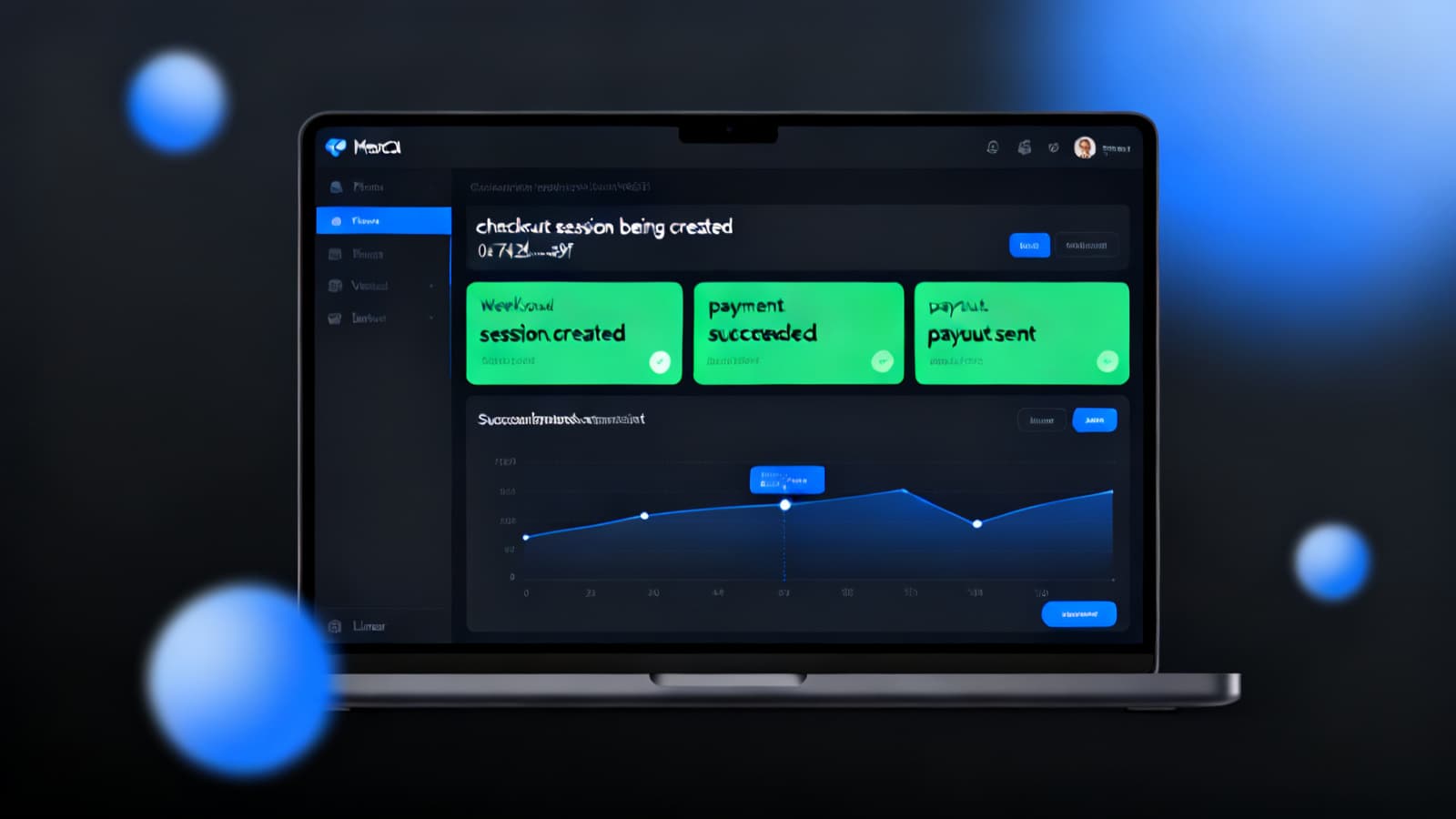
Peptide Payment Processors Compared: Stripe, Merchant Accounts, Crypto, Peptide-Pay
Stripe, Shopify Payments, high-risk merchant accounts, crypto-only gateways and PeptidePay side by side, with each provider's published policy linked.
High-Risk Payment Gateway voor Peptides: 2026 Gids
Traditionele high-risk PSP (8–10%, LLC, $5k–$50k reserve) vs. PeptidePay's crypto on-ramp (3% flat, geen LLC, same-day). Volledige vergelijking.
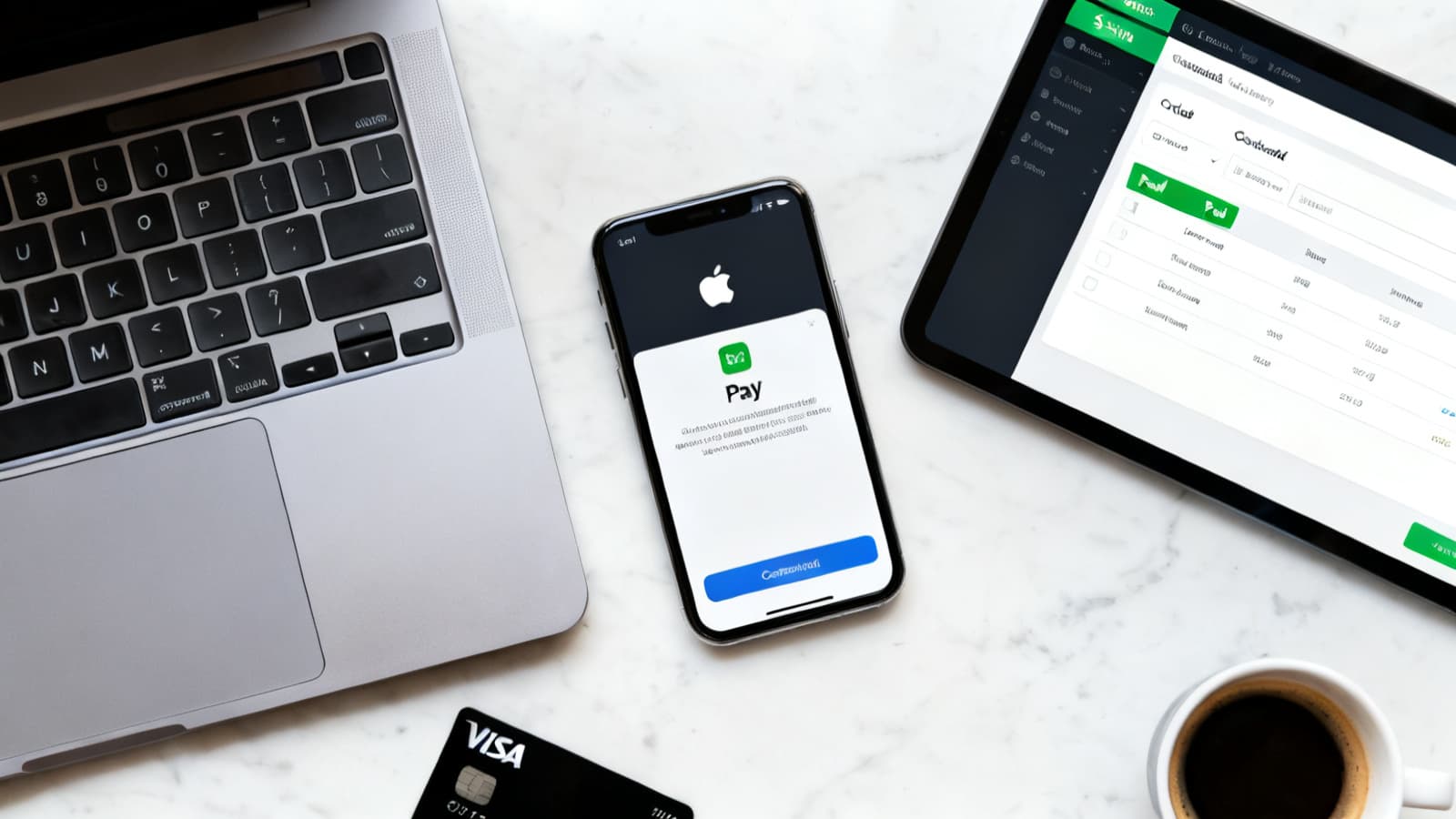
Creditcardbetalingen Accepteren op een Peptide-Shop (2026)
Accepteer Visa, Mastercard, Apple Pay, Google Pay en SEPA op een peptide-shop zonder gebant te worden — zelfs voor incorporatie. Volledige walkthrough.
Ready to integrate PeptidePay?
Paste your EVM wallet (Ethereum or Polygon), drop in the SDK, done. No LLC required, no rolling reserve, same-day go-live, 3% flat.